

Wikimedia Commons · See source page for licence
Artist in the Global Art Registry
Erastus Salisbury Field
1805–1900 · American
- Born
- 1805 · Leverett
- Died
- 1900 · Sunderland
21 works in the Collect24 Registry
Every work carries a permanent Collect24 Art ID, the way a book has an ISBN.
Erastus Salisbury Field was an American folk art painter. He created portraits, landscapes, and history pictures.
Read full biography
Erastus Salisbury Field (May 19, 1805 in Leverett, Massachusetts – June 28, 1900 in Sunderland, Massachusetts) was an American folk art painter of portraits, landscapes, and history pictures. Erastus Field and his twin sister, Salome, were born in Leverett, Massachusetts, on May 19, 1805. By the age of nineteen, Field had displayed sufficient talent in sketching portraits to be admitted as a student at the studio of Samuel F. B. Morse in New York. Morse closed his studio some three months later, and Field returned to Leverett in 1825. His earliest known painting is a portrait of his grandmother, Elizabeth Billings Ashley, painted around 1826. Field married Phebe Gilmur in Ware, Massachusetts, in 1831. They had one daughter, born in 1832. Field made a good living as a limner or itinerant portrait painter in the 1830s, traveling in western Massachusetts and the Connecticut Valley. He was known for his ability to capture "a good likeness" in a single sitting. In the 1840s, the family settled in Greenwich Village in New York City, where Field exhibited a few paintings and is thought to have taken up the new art of photography. He learned from David Acheson Woodward to use the latter's 1857 solar camera to make enlargements from collodion negatives of portraits onto photo-sensitized canvas which he would over-paint in oils. He remained in New York for about seven years before relocating to Sunderland, Massachusetts to manage his ailing father's farm. From about 1847 Field embarked on a new phase of his artistic career, creating landscapes and history paintings, as photography began to supplant painting as the preferred medium for portraiture. Following the death of his wife in 1859, Field and his daughter moved to the settlement of Plumtrees in Sunderland, where he built a studio and continued to paint biblical scenes and Romantic landscapes. From the end of the Civil War he painted mostly historical and patriotic works. His best-known work, the Historical Monument of the American Republic, is a fantastical architectural image of key aspects of American history, inspired by plans for the Centennial Exposition to be held in 1876. Field began work on the large canvas in 1867 and was still adding to it as late as 1888. Field died at Plumtrees, Sunderland, on June 28, 1900. All together, over 300 surviving works are attributed to Field.
Biography source: Wikipedia · CC BY-SA 4.0
Unclaimed estate profile
This profile was built from publicly available information. Nobody representing the estate of Erastus Salisbury Field manages it yet. If you represent the estate or foundation, claim the profile to control the biography, portrait and registered works.
Claim this estate profileSpotted something incorrect? Sign in to suggest an edit — our editors review every change.
21
Registered works
21
In museum collections
0
In gallery collections
0
In private collections
Featured works
Selected registered works by Erastus Salisbury Field
Selected from 21 works by Erastus Salisbury Field in the Collect24 Registry.
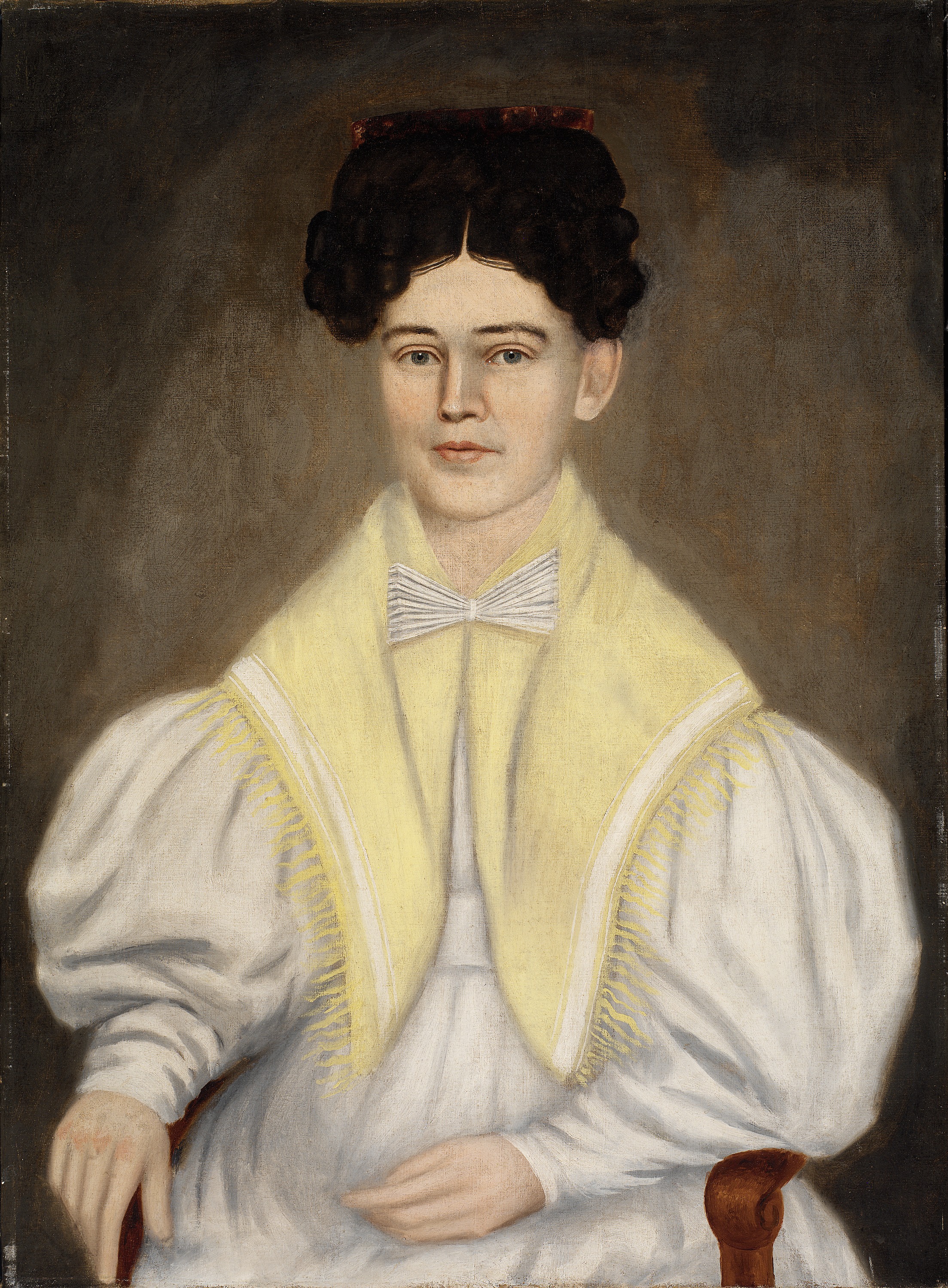
Erastus Salisbury Field
Portrait of a Woman with a Shawl, ca. 1825-1850
oil on canvas
89.5 × 66 cm
Smithsonian American Art Museum
C24-134809
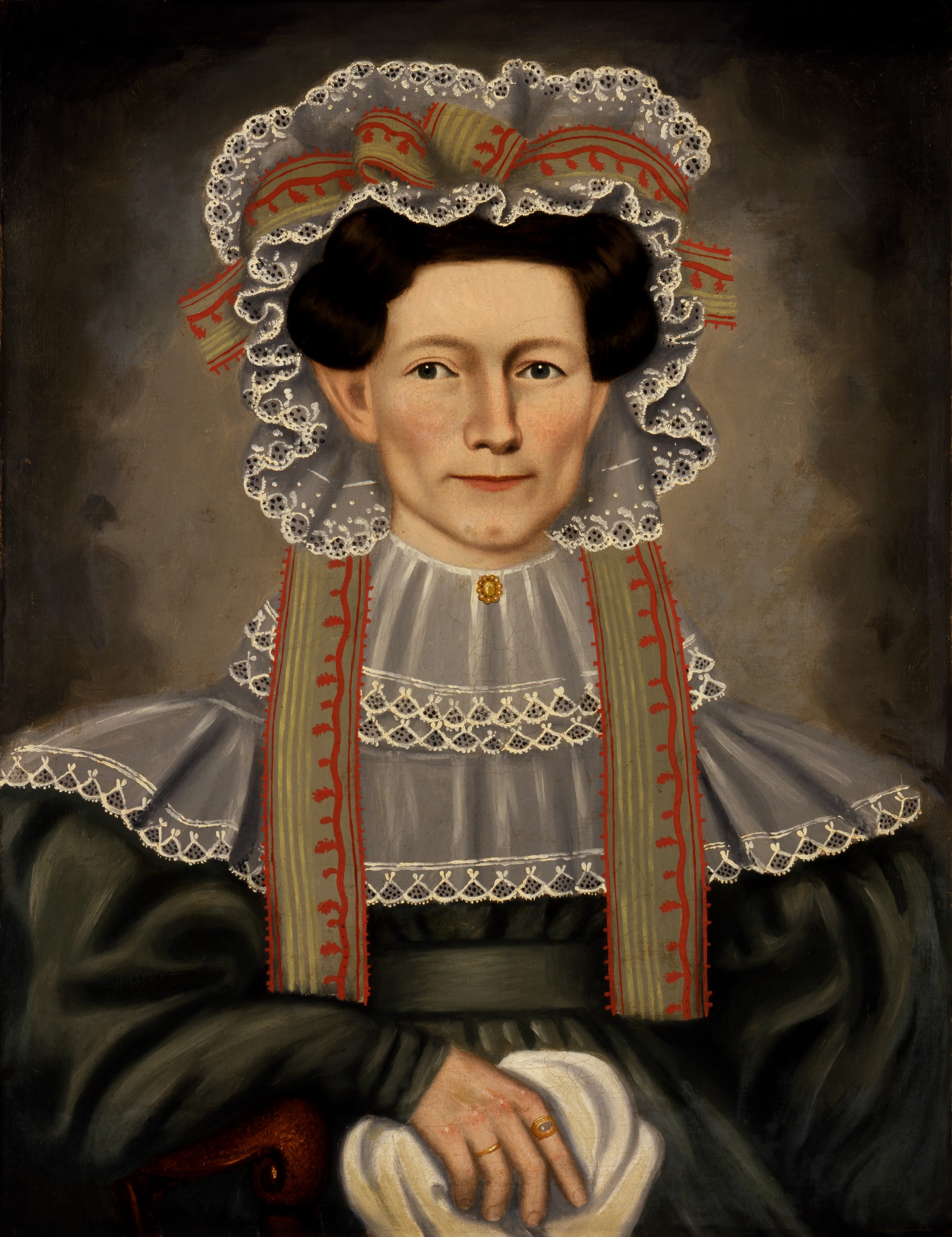
Erastus Salisbury Field
Lady of Squire Williams House, ca. 1829
oil on canvas
81.3 × 61.6 cm
Smithsonian American Art Museum
C24-140356
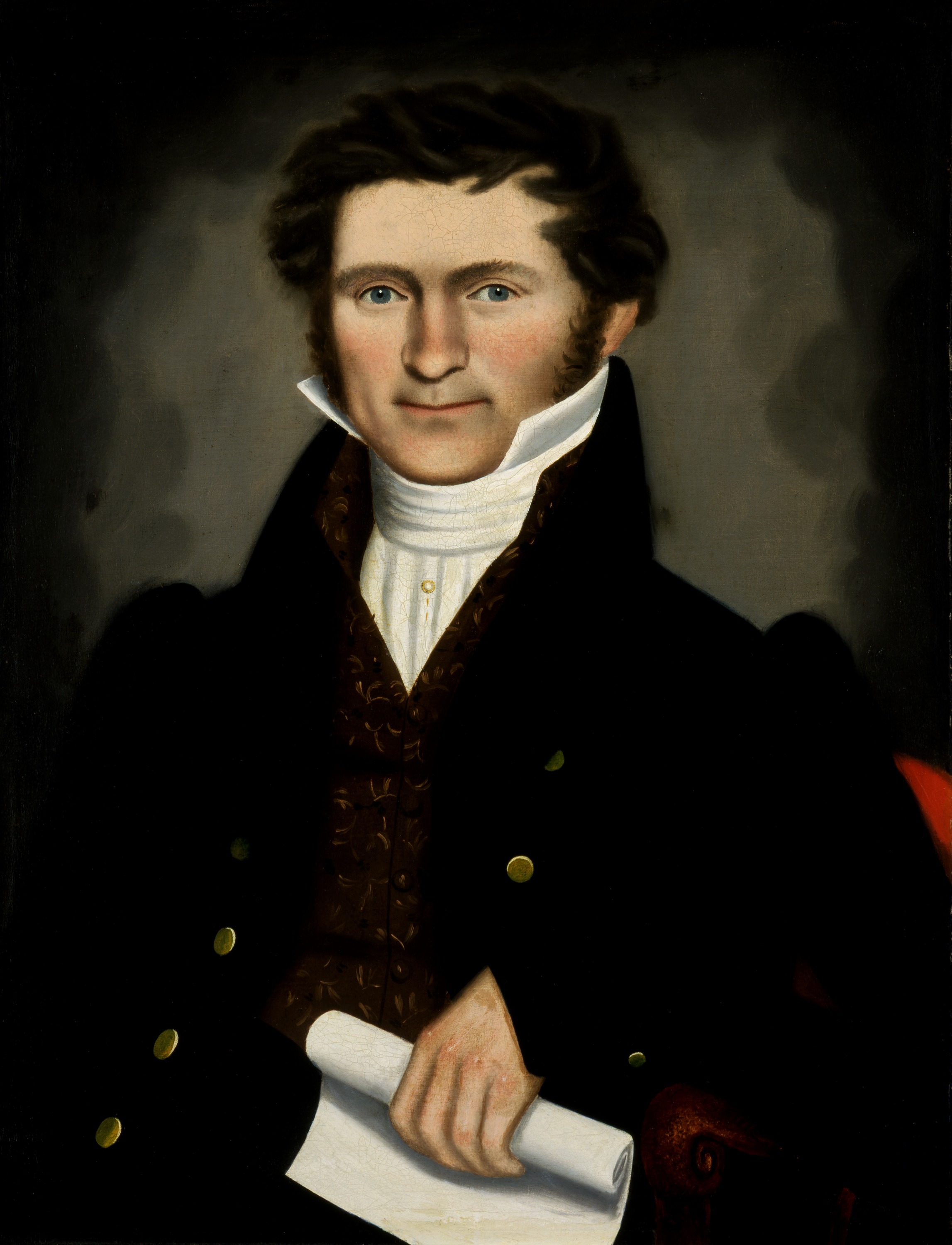
Erastus Salisbury Field
Gentleman of Squire Williams House, ca. 1829
oil on canvas
81.3 × 61.6 cm
Smithsonian American Art Museum
C24-140353
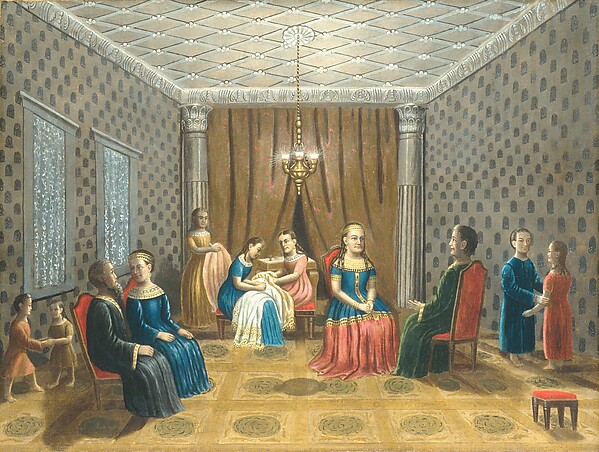
Erastus Salisbury Field
Egyptian Scene (possibly Moses and Zipporah), 1865–80
Oil on canvas
88.9 × 116.8 cm
The Metropolitan Museum of Art
C24-137671
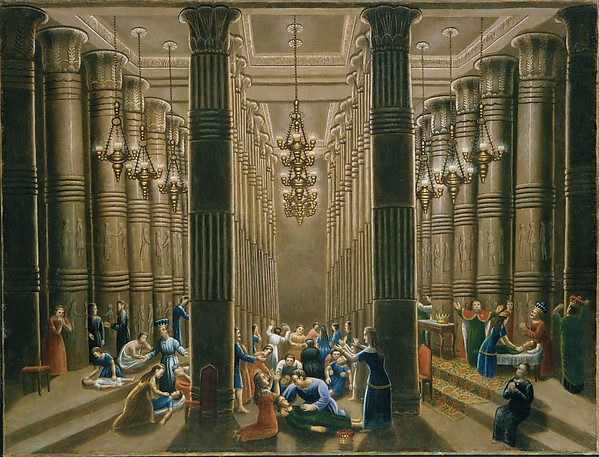
Erastus Salisbury Field
The Death of the First Born, 1865–80
Oil on canvas
88.9 × 116.8 cm
The Metropolitan Museum of Art
C24-137125
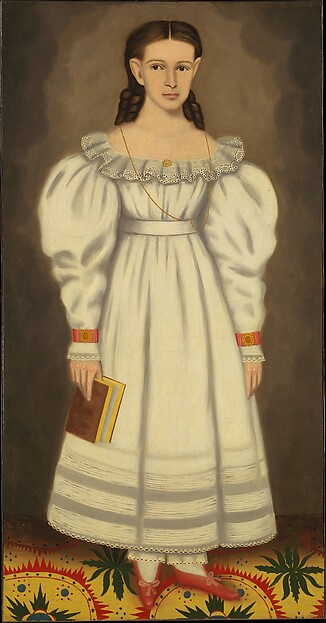
Erastus Salisbury Field
Girl of the Bangs-Phelps Family, ca. 1848
Oil on canvas
149.2 × 76.8 cm
The Metropolitan Museum of Art
C24-108405
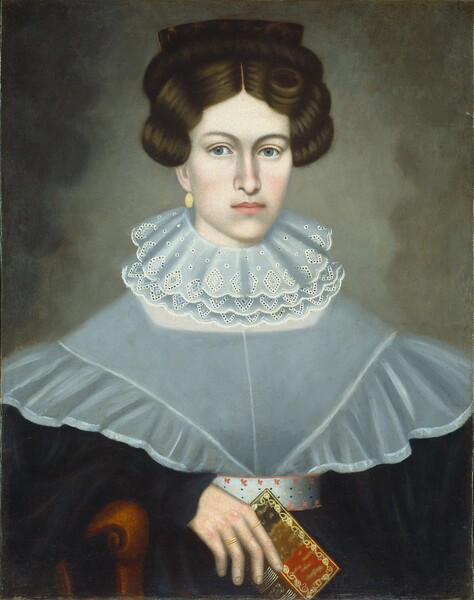
Erastus Salisbury Field
Woman Holding a Book, c. 1835
oil on canvas
75.7 × 60.5 cm
National Gallery of Art
C24-100816
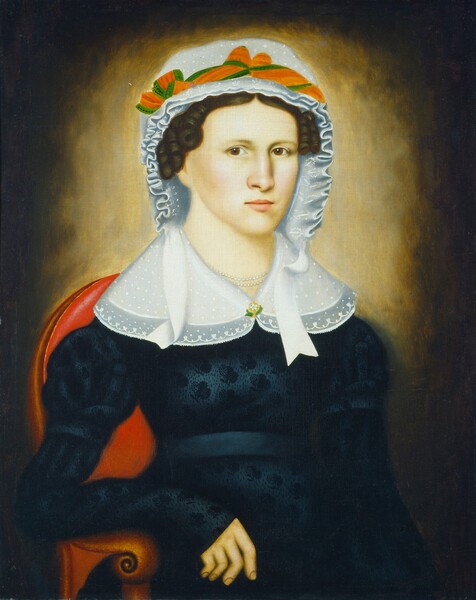
Erastus Salisbury Field
Wife of Man with Vial, c. 1827
oil on canvas
75 × 60 cm
National Gallery of Art
C24-100815
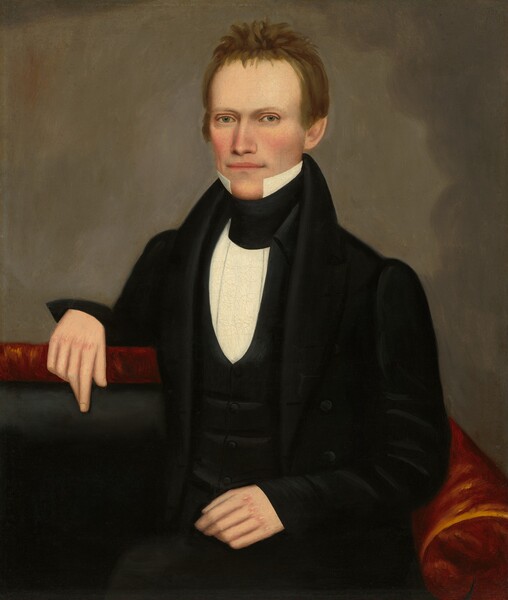
Erastus Salisbury Field
Paul Smith Palmer, 1835/1838
oil on canvas
86.4 × 73.4 cm
National Gallery of Art
C24-100812
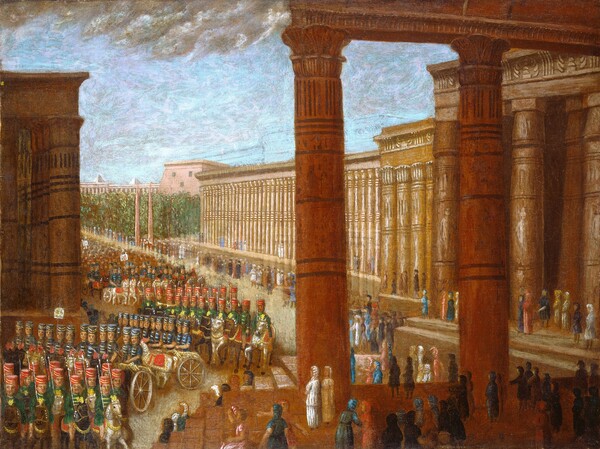
Erastus Salisbury Field
Pharaoh's Army Marching, c. 1865/1880
oil on canvas
89 × 116.8 cm
National Gallery of Art
C24-100813
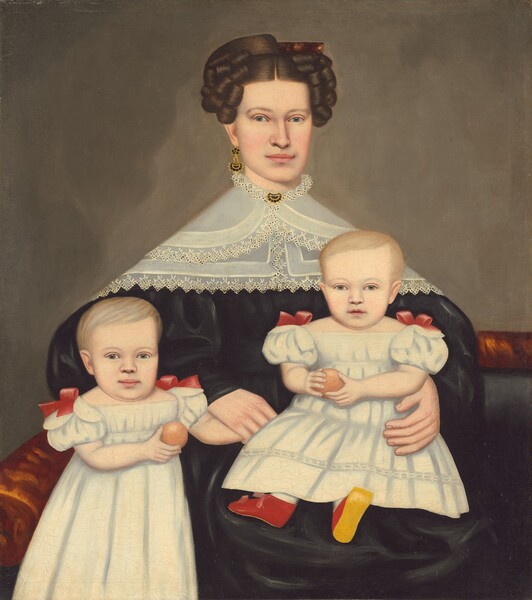
Erastus Salisbury Field
Mrs. Paul Smith Palmer and Her Twins, 1835/1838
oil on canvas
97.8 × 86.3 cm
National Gallery of Art
C24-100811
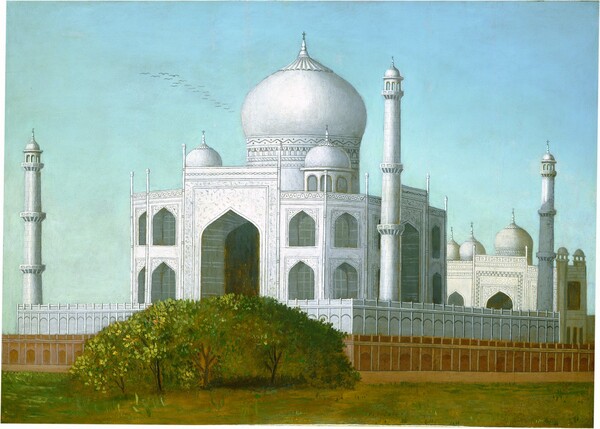
Erastus Salisbury Field
The Taj Mahal, c. 1860/1880
oil on canvas
88.7 × 116.7 cm
National Gallery of Art
C24-100814
Museums and collections
Where works by Erastus Salisbury Field are registered
- National Gallery of Art
Washington, D.C., United States
14 works
- Smithsonian American Art Museum
Washington, D.C., United States
3 works
- The Metropolitan Museum of Art
New York, United States
3 works
- Art Institute of Chicago
Chicago, United States
1 work
Registry catalogue
Search all 21 works by Erastus Salisbury Field
The complete catalogue lets you search by title, year, collection, medium or Collect24 Art ID, and filter by period, medium and collection.
Open the full catalogue →Artists from the same period
American artists born around the same time
- James McNeill Whistler
1834–1903
1,039 works
- George Catlin
1794–1872
815 works
- Thomas Sully
1783–1872
219 works
- William Trost Richards
1833–1905
143 works
- Asher Brown Durand
1796–1886
111 works
- Edward Mitchell Bannister
1828–1901
107 works
- John William Casilear
1811–1893
78 works
- Francis William Edmonds
1806–1863
64 works