
_1433.jpg?width=900)
Wikimedia Commons · See source page for licence
Artist in the Global Art Registry
Jan van Eyck
1390–1441 · Southern Netherlands
- Born
- 1390 · Prince-Bishopric of Liège
- Died
- 1441 · Bruges
28 works in the Collect24 Registry
Every work carries a permanent Collect24 Art ID, the way a book has an ISBN.
Jan van Eyck was an early Netherlandish painter active in Bruges, recognized as an early innovator of early Netherlandish painting and a supreme figure of the Early Northern Renaissance. He was called "the inventor of oil-painting" by Vasari, Ernst Gombrich, and others, though this claim is now considered an oversimplification.
Read full biography
Jan van Eyck ( van EYEK; Dutch: [ˈjɑɱ vɑn ˈɛik]; c. before 1390 – 9 July 1441) was an early Netherlandish painter active in Bruges who was one of the early innovators of what became known as early Netherlandish painting, and one of the supreme figures of the Early Northern Renaissance. Such was his legacy, that he has been called "the inventor of oil-painting" by Vasari, Ernst Gombrich, and others, although this claim is now considered an oversimplification. Surviving records date his birth at around 1380 or 1390, in Maaseik (then Maaseyck, hence his name) by the Limburg in present-day Belgium. He took employment in The Hague around 1422, when he was already a master painter with workshop assistants, and was employed as painter and valet de chambre to John III the Pitiless, ruler of the counties of Holland and Hainaut. Some time after John's death in 1425, he was appointed as court painter to Philip the Good, Duke of Burgundy, and worked in Lille before moving to Bruges in 1429, where he lived until his death. He was highly regarded by Philip, and was dispatched on several diplomatic visits abroad, including one to Lisbon in 1428 to discuss the possibility of a marriage contract between the duke and Isabella of Portugal. About 20 surviving paintings are confidently attributed to him, as well as the Ghent Altarpiece and the illuminated miniatures of the Turin-Milan Hours, all dated between 1432 and 1439. Ten are dated and signed with a variation of his motto ALS ICH KAN (As I (Eyck) can), a pun on his name, which he typically painted in Greek characters. Van Eyck painted both secular and religious subjects. His works include altarpieces, painted panels—diptychs (dismantled), triptychs, and polyptychs—and commissioned portraits. He was well paid by Philip, who wanted the painter to have the financial security and artistic freedom to paint "whenever he pleased." Van Eyck's early work shows influence from the International Gothic style, which he soon eclipsed, in part through a greater emphasis on naturalism and realism. He achieved a new level of virtuosity through his developments in the use of oil paint. His style and techniques profoundly altered the development of the Early Netherlandish school.
Biography source: Wikipedia · CC BY-SA 4.0
Unclaimed estate profile
This profile was built from publicly available information. Nobody representing the estate of Jan van Eyck manages it yet. If you represent the estate or foundation, claim the profile to control the biography, portrait and registered works.
Claim this estate profileSpotted something incorrect? Sign in to suggest an edit — our editors review every change.
28
Registered works
28
In museum collections
0
In gallery collections
0
In private collections
Featured works
Selected registered works by Jan van Eyck
Selected from 28 works by Jan van Eyck in the Collect24 Registry.
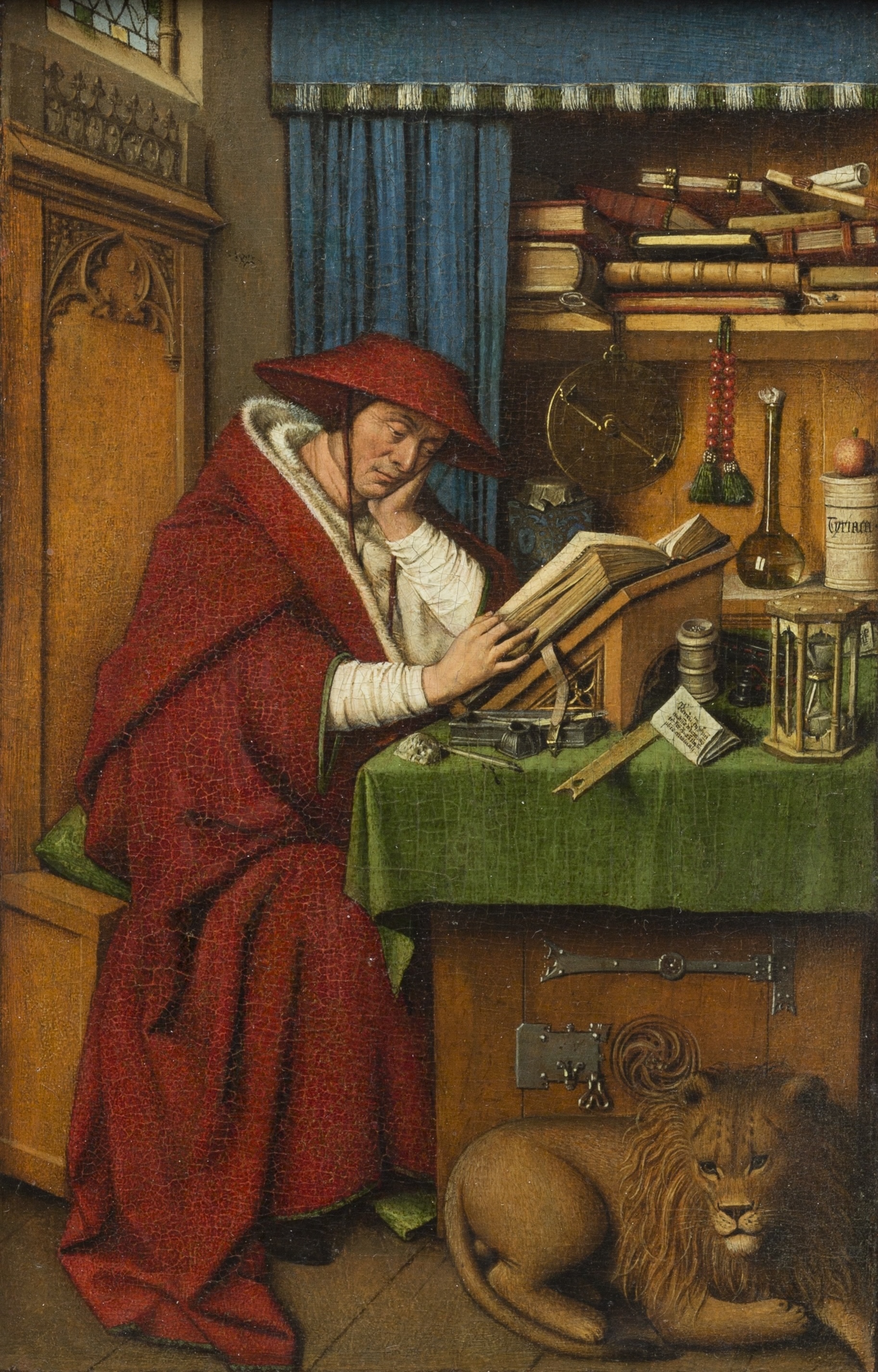
Jan van Eyck
Saint Jerome in His Study, 1435
paper
20.6 × 13.3 cm
Detroit Institute of Arts
C24-461589
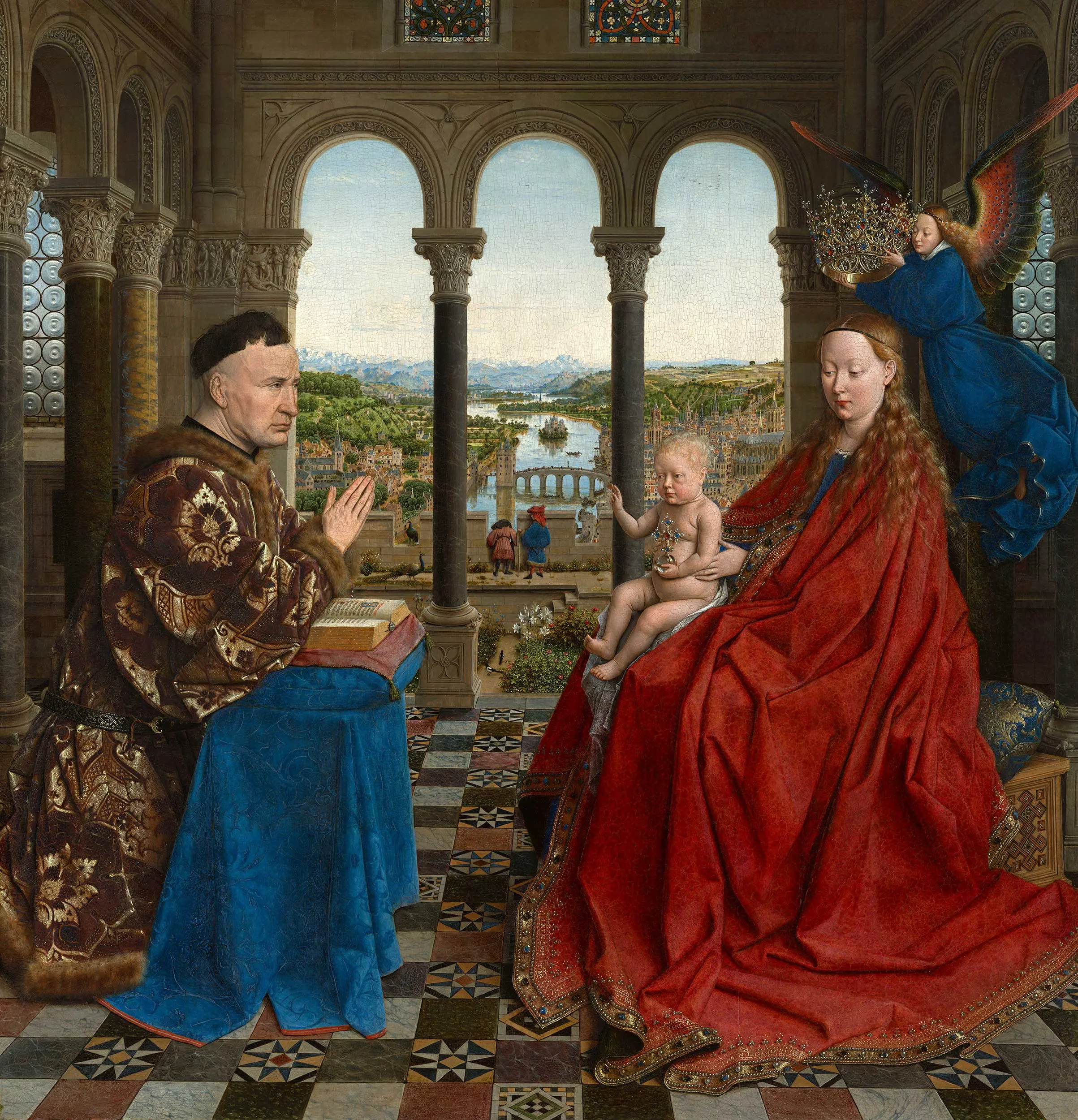
Jan van Eyck
Madonna of Chancellor Rolin, 1500
oil paint
66 × 62 cm
Department of Paintings of the Louvre
C24-267216
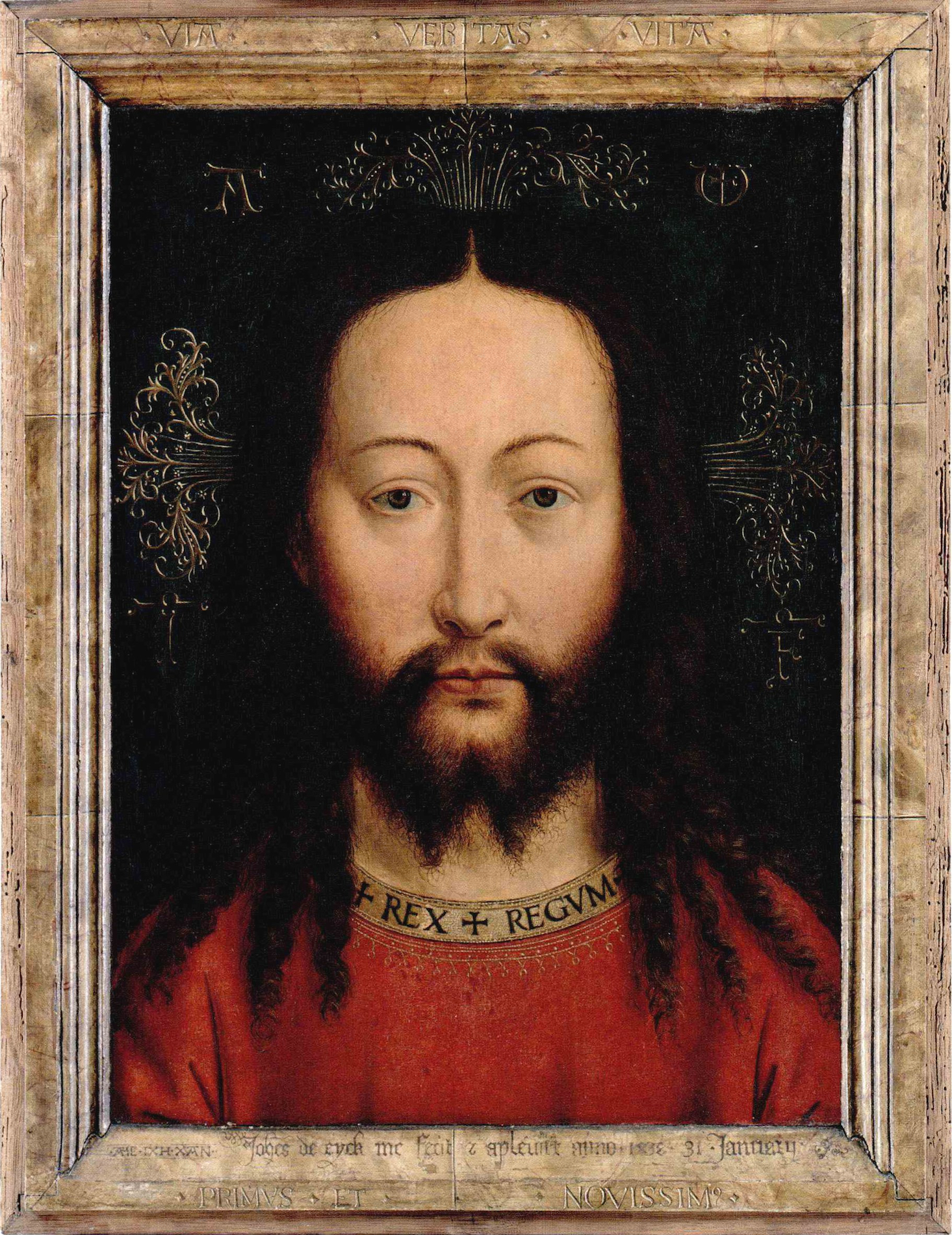
Jan van Eyck
Christ, 1500
paint
53.1 × 42.2 cm
Gemäldegalerie Berlin
C24-463404
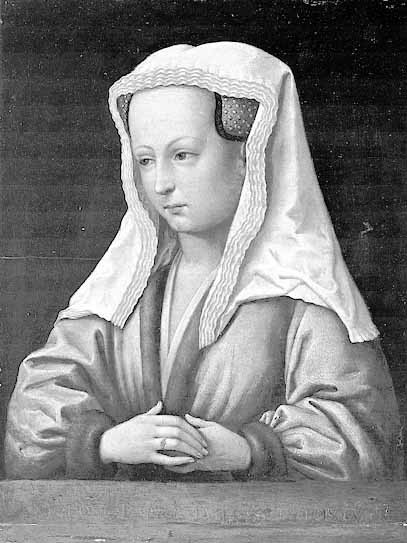
Jan van Eyck
Portrait of a woman, 1550
paint
21 × 16.7 cm
Gemäldegalerie Berlin
C24-463406
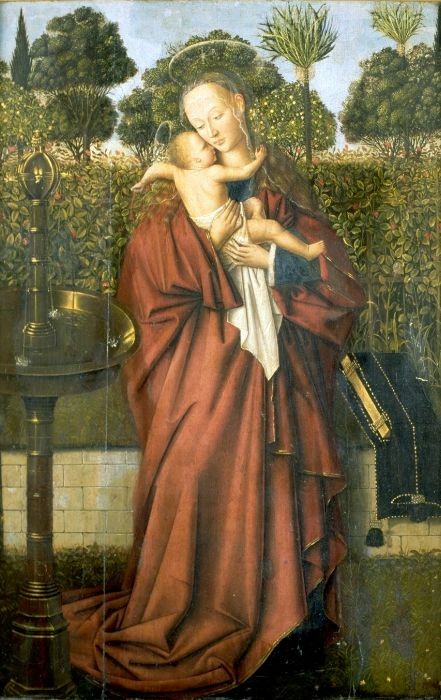
Jan van Eyck
Virgin at the fountain, 1450
paint
59.3 × 43 cm
Gemäldegalerie Berlin
C24-463402
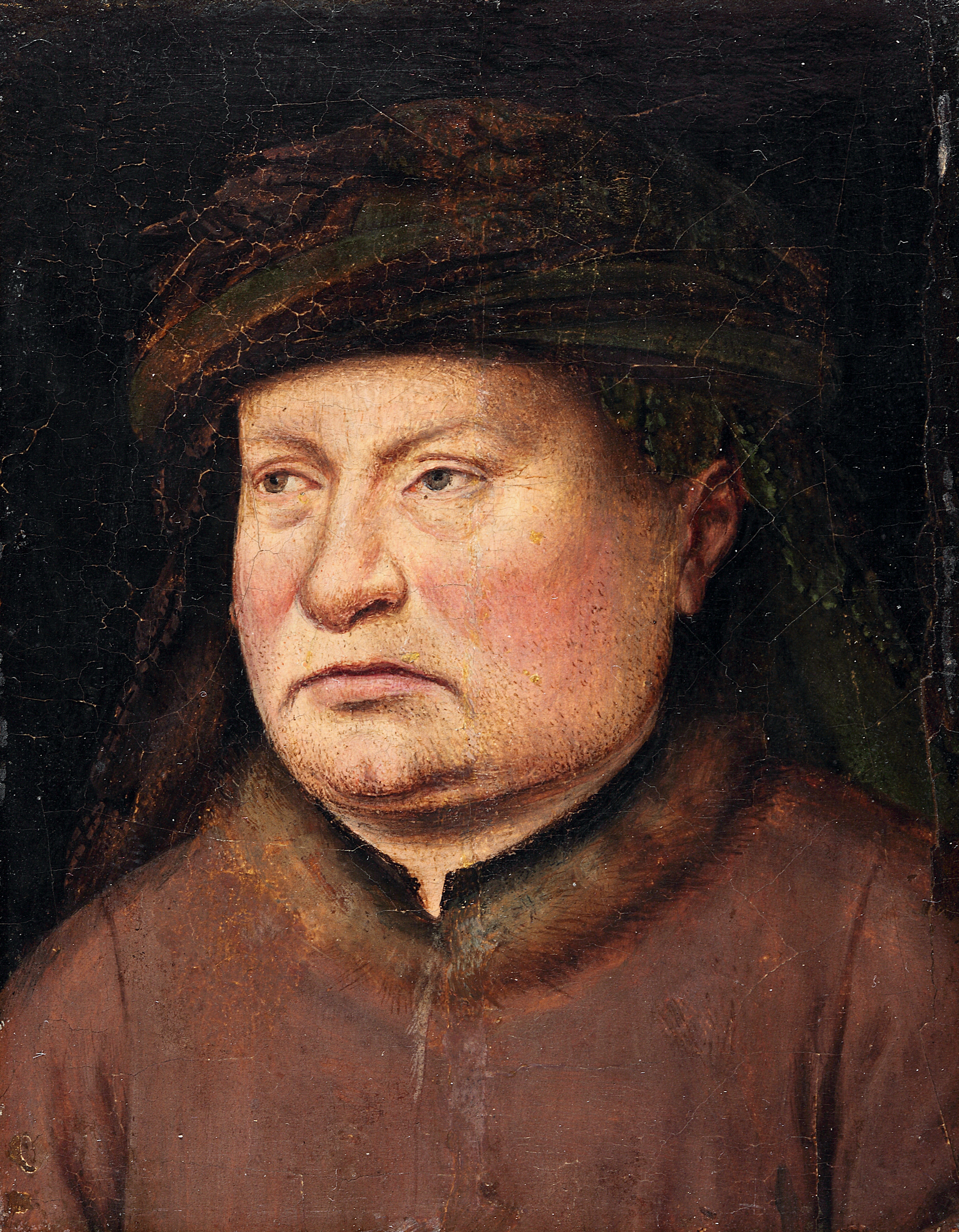
Jan van Eyck
Portrait of a man, 1430
oil paint
11.8 × 8.8 cm
Gemäldegalerie Berlin
C24-463398
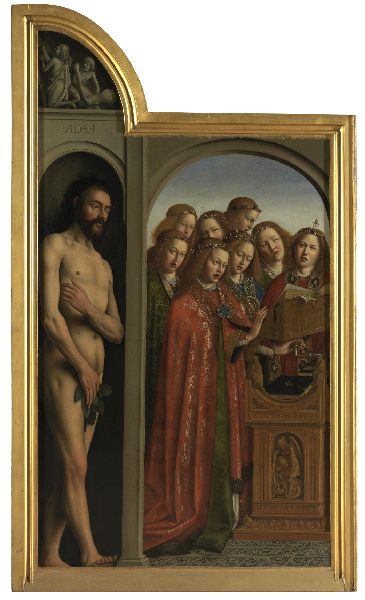
Jan van Eyck
Adam and Singing Angels, 15th century
oil on canvas
202.7 × 109.5 cm
Royal Museum of Fine Arts Antwerp
C24-145043
Jan van Eyck
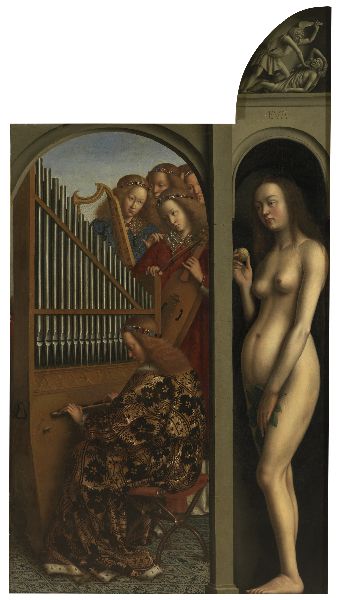
Music-making Angels and Eve, 15th century
oil on canvas
203.5 × 109.5 cm
Royal Museum of Fine Arts Antwerp
C24-145042
Jan van Eyck
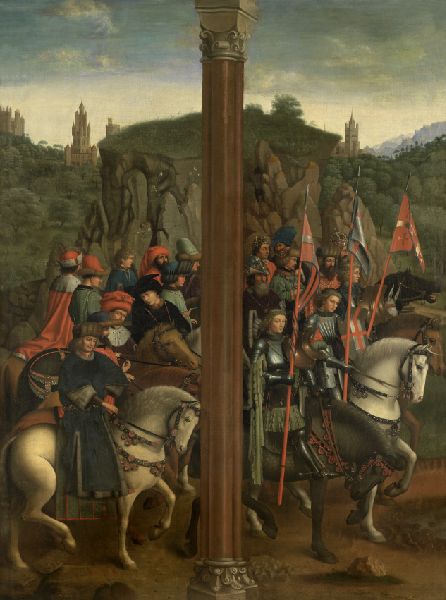
The Knights of Christ and The Just Judges, 15th century
oil on canvas
150.7 × 111.5 cm
Royal Museum of Fine Arts Antwerp
C24-145041
Jan van Eyck
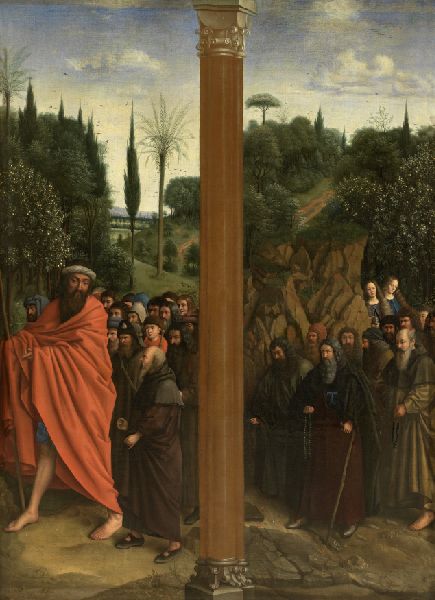
Holy Hermits and Holy Pilgrims, 15th century
oil on canvas
150.5 × 112 × 2.4 cm
Royal Museum of Fine Arts Antwerp
C24-145040
Jan van Eyck
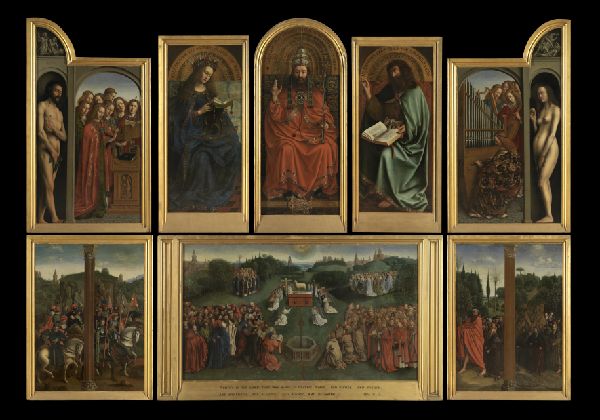
The Adoration of the Lamb, 15th century
oil on canvas
341 × 475 cm
Royal Museum of Fine Arts Antwerp
C24-143211
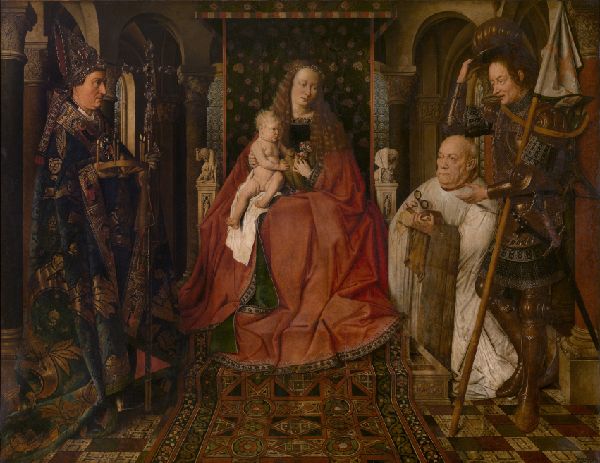
Jan van Eyck
Madonna Surrounded by Saint George, Saint Donatianus of Reims and the Donor Canon Van der Paele, 16th century
oil on canvas
119 × 154 × 3.3 cm
Royal Museum of Fine Arts Antwerp
C24-143209
Museums and collections
Where works by Jan van Eyck are registered
- Royal Museum of Fine Arts Antwerp
Antwerp, Belgium
13 works
- Gemäldegalerie Berlin
Germany
4 works
- National Gallery
United Kingdom
3 works
- The Metropolitan Museum of Art
New York, United States
2 works
- Victoria and Albert Museum
London, United Kingdom
2 works
- Department of Paintings of the Louvre
France
1 work
- Detroit Institute of Arts
United States
1 work
- Kunsthistorisches Museum
Austria
1 work
- National Gallery of Art
Washington, D.C., United States
1 work
Registry catalogue
Search all 28 works by Jan van Eyck
The complete catalogue lets you search by title, year, collection, medium or Collect24 Art ID, and filter by period, medium and collection.
Open the full catalogue →Artists from the same period
Artists born around the same time
- Petrus Christus
1410–1475
16 works
- Robert Campin
1375–1444
14 works
- Aert van den Bossche
1400–1500
2 works